Put on a song you know well. For a few minutes, give it your full attention. What catches your ear? A breath before a line, a bass part you’d overlooked, or the space between the notes?
Familiar music can still surprise us. This is an invitation to listen again and notice what comes forward.
The record I bought for its cover
In 1978, I bought an album in a record shop because I liked the cover. I wasn’t looking for a particular song. I wanted an image for an art project, and this one caught my eye: an old man carrying a bundle of sticks on his back, pictured inside a frame.
There was no album title on the outside. I looked at the record and noticed the Atlantic label, but that wasn’t why I bought it. The picture reminded me of Van Gogh, and I thought it would make a good subject for a drawing.
I drew it, submitted my art project, and put the album on a shelf in my bedroom. It stayed there, collecting dust for another nine or ten months before I finally decided to listen.
When I finally put it on
When I finally took the record out again, I noticed the strange symbols. It was Led Zeppelin’s untitled fourth album, usually known as Led Zeppelin IV. I still hadn’t studied the track listing. I just put it on and listened.
“Black Dog” sounded powerful to me; the drums and bass were what caught my attention. At fifteen, this was what I called heavy metal. Then came “Rock and Roll”: the drums, the cymbals, that beat. I was beginning to think I’d bought an album I really liked, quite by accident.
But the last track on side one was a different experience. “Stairway to Heaven” began quietly, with an acoustic guitar. I could hear the sound of fingers moving along the strings. I didn’t fully understand the lyrics, but the guitar and the gentle rhythm kept drawing me back. I played it over and over.
As the song built, the drums and cymbals became part of that pull. Then came the guitar, the force of the drumming, and the voice rising towards the end. The contrast with the quiet beginning stayed with me. An album I’d bought for a drawing had become something I wanted to spend time with.
Hearing “The Chain” again
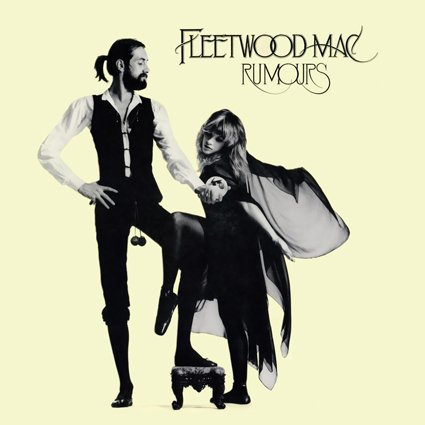
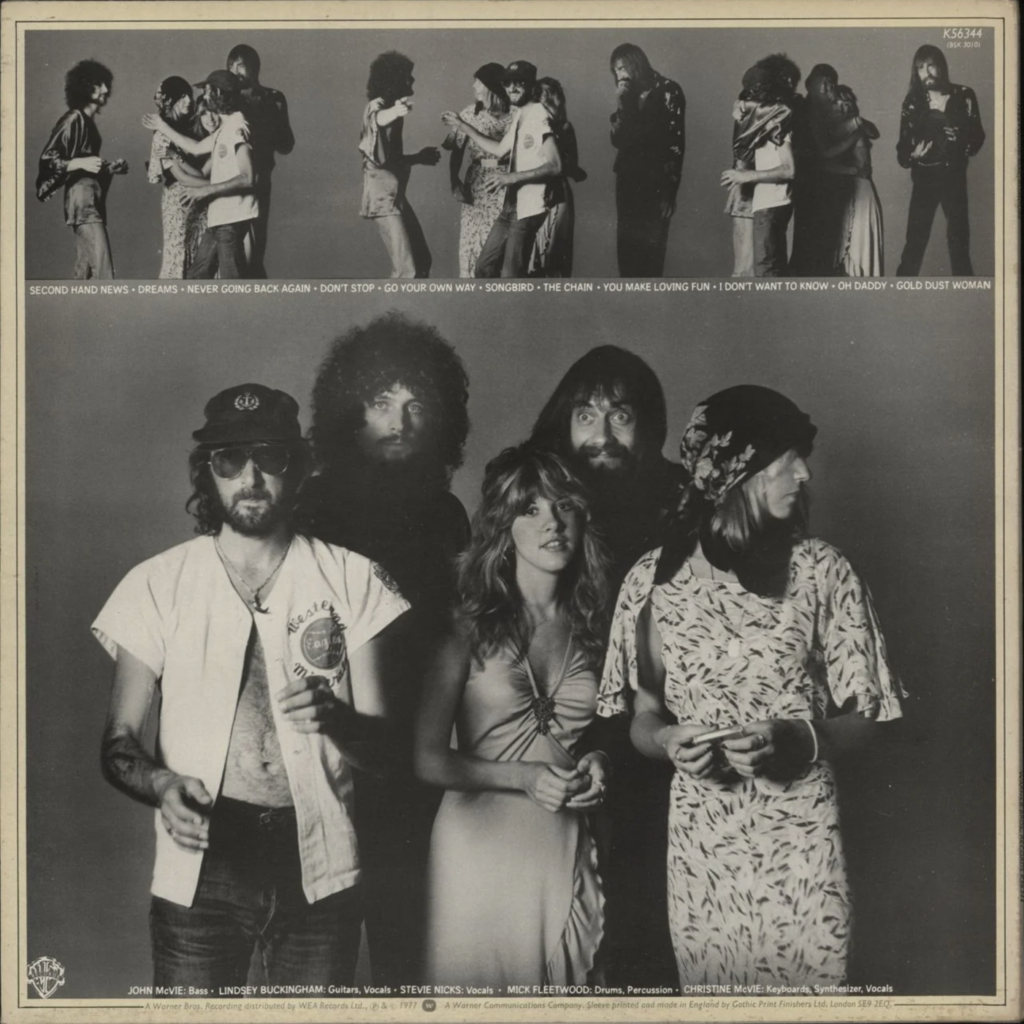
Around the same time, I also had a copy of Fleetwood Mac’s Rumours. Years later, in the eighties, I heard the Formula One theme on television and found myself wondering where I knew that music from. It nagged at me for a few days before the penny dropped: “The Chain”.
That familiar passage had brought me back to the album. Even now, its build-up makes me think of going from standing still to hitting 100 mph. Listening again, I could hear why someone at the BBC had chosen it for motor racing.
The other day, I bought another copy of Rumours, graded “Very Good Plus”, and played “The Chain” through my trusty headphones. This time, the plucked strings and the bass drew my attention. I wanted to follow what the bass was doing, and I began noticing it across the rest of the album too.
Then I went back to the beginning of the song and listened to Mick Fleetwood’s drumming. This wasn’t a remastered copy. Those sounds had been there when I first heard it; I was paying attention to them differently now.
I no longer have a copy of Led Zeppelin’s untitled fourth album, but the memories haven’t been erased. The minute I hear the needle drop on a replacement for one of the records I owned back then, I’m back in that small bedroom, with the War of the Worlds poster on the wall and a full-size Debbie Harry keeping me company.
I will just add that the records I’ve replaced have cost me considerably more than they did the first time around. True masterpieces are priceless.
What catches your ear?
For me, these records hold both the memory of discovering them and the possibility of hearing something else next time. The drawing brought one album into my bedroom. A television theme brought me back to another. More recently, a pair of headphones gave me a reason to listen again.
Try a song you know well. Give it a few uninterrupted minutes and follow one part—the bass, the drums, the guitar or the voice. What catches your ear this time?